

Introduction
Artificial Intelligence has transformed the way content is created. Bloggers, marketers, businesses, and website owners now use AI tools to write articles, product descriptions, emails, and social media posts in minutes.AI Content vs SEO
However, one question continues to concern website owners:
Is AI-generated content bad for SEO?
The short answer is No. Google does not automatically penalize AI-generated content. What matters most is the quality, usefulness, originality, and value of the content—not whether it was written by a human or assisted by AI.
In this guide, we’ll explain how Google evaluates AI content and how you can use AI responsibly while improving your search rankings in 2026.
Does Google Allow AI-Generated Content?
Yes.
Google has stated that it focuses on the quality of content, regardless of how it is created.
Content that is helpful, accurate, original, and written to satisfy user intent can perform well in search results—even if AI assisted in creating it.
The goal should always be to help readers rather than manipulate search rankings.
When AI Content Can Hurt SEO
AI-generated content can negatively affect SEO if it:
- Contains inaccurate information
- Repeats existing content
- Lacks originality
- Ignores search intent
- Is published without human review
- Provides little value to readers
Low-quality content—whether written by AI or humans—can struggle to rank well.
Benefits of Using AI for SEO
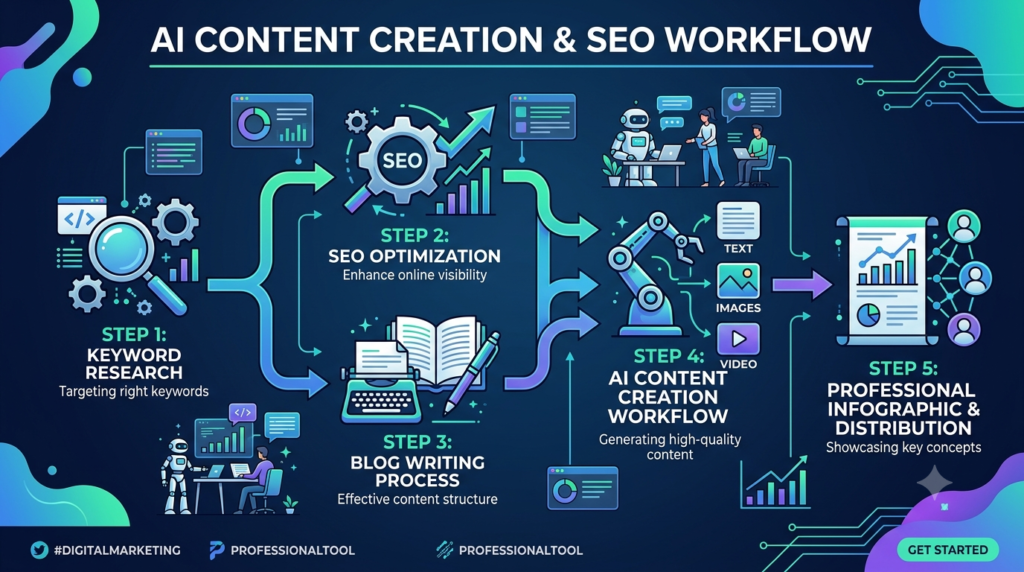
When used correctly, AI can improve your SEO workflow.
AI can help with:
- Keyword research
- Blog outlines
- Content ideas
- Meta descriptions
- Title suggestions
- FAQ generation
- Content optimization
These tasks save time and improve productivity while allowing you to focus on creating valuable content.
Best Practices for Using AI Content
Edit Every AI Draft
Review AI-generated content carefully before publishing.
Add Original Insights
Include personal experience, research, examples, or expert opinions.
Optimize for Search Intent
Ensure the content answers the user’s questions clearly and completely.
Improve Readability
Use headings, short paragraphs, bullet points, and simple language.
Fact-Check Information
Verify important facts, statistics, and claims before publishing.
Common AI SEO Mistakes
Avoid these common mistakes:
- Publishing AI content without editing
- Keyword stuffing
- Creating thin content
- Copying AI responses directly
- Ignoring user experience
- Using AI only to produce large volumes of content
Quality always matters more than quantity.
Human Editing Is Still Essential
AI is a powerful writing assistant, but it cannot replace human judgment.
Human editors should:
- Verify facts
- Improve clarity
- Add expertise
- Ensure originality
- Match the brand voice
The best-performing content combines AI efficiency with human creativity.
Can AI Content Rank on Google?
Yes.
Many websites successfully rank AI-assisted content because it:
- Solves user problems
- Provides accurate information
- Is well-structured
- Demonstrates expertise
- Offers real value
Google rewards content that satisfies users, regardless of how it was created.
AI Content vs Human Content
| Feature | AI Content | Human Content |
|---|---|---|
| Speed | Excellent | Moderate |
| Creativity | Good | Excellent |
| Accuracy | Needs Review | Higher |
| Original Insights | Limited | Strong |
| SEO Potential | High (with editing) | High |
The most effective approach is combining AI-generated drafts with human editing.
The Future of AI and SEO
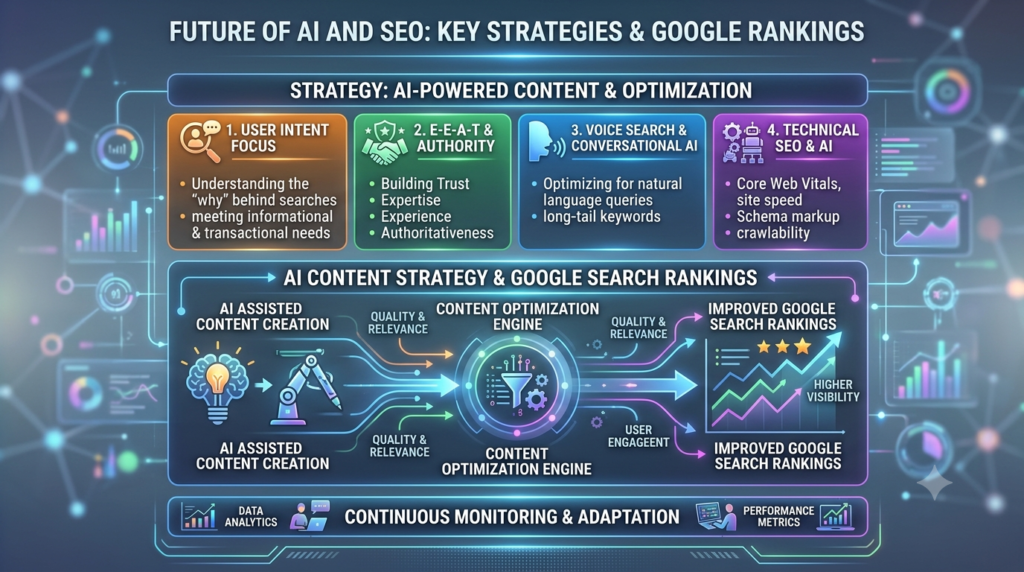
AI will continue to play a major role in content creation.
Future trends include:
- Smarter AI writing assistants
- Better SEO optimization
- Personalized content
- AI-powered keyword research
- Automated content analysis
However, Google’s focus on helpful, trustworthy, and people-first content is expected to remain unchanged.
Final Thoughts
AI-generated content is not bad for SEO when used responsibly.
Google rewards content that is helpful, accurate, original, and valuable to users. AI should be viewed as a productivity tool that supports content creators—not as a replacement for human expertise.
The best strategy is to use AI for research, drafting, and optimization while ensuring every article is carefully reviewed, fact-checked, and enhanced with unique insights.
By combining AI with human creativity, you can create content that performs well in search results and provides real value to your audience.
FAQ
Does Google penalize AI-generated content?
No. Google evaluates content based on quality and usefulness, not whether it was created by AI.
Can AI-written articles rank on Google?
Yes. High-quality AI-assisted content that is edited and optimized can rank well in search results.
Should I edit AI-generated content?
Absolutely. Human editing improves accuracy, originality, readability, and SEO performance.
Is AI good for SEO?
Yes. AI is an excellent tool for keyword research, content planning, optimization, and improving productivity when used responsibly.