

Introduction
Artificial Intelligence has become an essential tool for writing, coding, research, marketing, and business automation. However, the quality of AI-generated responses depends largely on the quality of the prompts you provide.
This is where prompt engineering comes in.
Prompt engineering is the skill of writing clear and effective instructions that help AI generate better responses. Whether you’re using ChatGPT, Claude, Gemini, or another AI assistant, mastering prompt engineering can significantly improve your productivity.
This guide explains the basics of AI prompt engineering and shares practical techniques for writing better prompts in 2026.
What Is Prompt Engineering?
Prompt engineering is the process of designing prompts that help AI understand exactly what you want.
Instead of asking vague questions, you provide detailed instructions, context, and goals to guide the AI toward better answers.
A well-written prompt can improve:
- Accuracy
- Creativity
- Relevance
- Efficiency
- Overall response quality
Why Prompt Engineering Matters
The same AI model can produce very different results depending on how the prompt is written.
Good prompts help you:
- Save time
- Reduce editing
- Get more accurate information
- Generate higher-quality content
- Improve productivity
Prompt engineering has become an important skill for professionals, students, marketers, developers, and business owners.
Elements of a Great Prompt
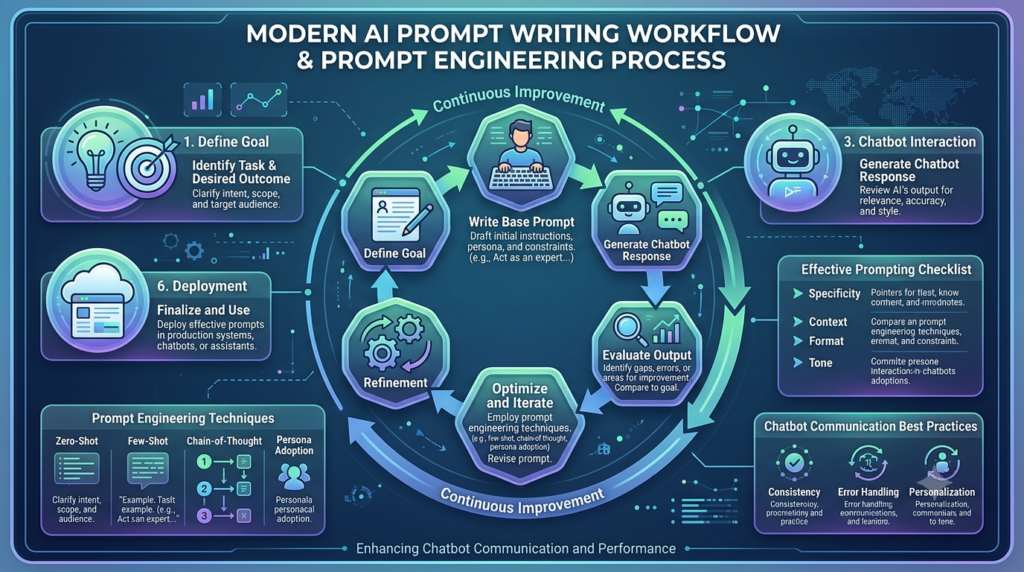
Effective prompts usually include:
Clear Objective
Tell the AI exactly what you want.
Example:
“Write a beginner-friendly blog post about email marketing.”
Context
Provide background information whenever possible.
Example:
“The audience consists of small business owners with no marketing experience.”
Role Assignment
Ask the AI to act as a specific expert.
Example:
“Act as an experienced digital marketing consultant.”
Output Format
Specify how you want the response.
Examples:
- Bullet points
- Table
- Blog article
- Step-by-step guide
Tone and Style
Mention the writing style you prefer.
Examples:
- Professional
- Friendly
- Formal
- Conversational
- Beginner-friendly
Example of a Weak Prompt
“Write about SEO.”
This prompt is too broad and may produce generic results.
Example of a Strong Prompt
“Act as an SEO expert. Write a 1,500-word beginner-friendly guide about on-page SEO for small business owners. Use headings, bullet points, practical examples, and a professional tone.”
This prompt provides clear instructions and produces a more useful response.
Best Prompt Engineering Tips
Be Specific
Detailed prompts usually generate better responses.
Provide Context
Explain your audience, goals, and expectations.
Break Complex Tasks Into Steps
Instead of requesting everything at once, divide large tasks into smaller sections.
Request Examples
Examples improve clarity and help AI understand your expectations.
Revise Your Prompt
If the first response isn’t ideal, adjust your prompt and try again.
Common Prompt Engineering Mistakes
Avoid these common errors:
- Using vague instructions
- Leaving out important context
- Asking multiple unrelated questions
- Ignoring formatting requirements
- Accepting the first response without refinement
Small improvements in your prompt can lead to significantly better results.
Prompt Examples for Different Tasks
Content Writing
“Write a 1,500-word SEO blog post about AI tools for freelancers. Use H2 headings, short paragraphs, and include a FAQ section.”
Marketing
“Create a 30-day social media content calendar for a fitness brand targeting beginners.”
Programming
“Write a Python script that reads a CSV file and removes duplicate records. Explain each step.”
Business
“Act as a business consultant and create a growth strategy for a small online clothing store.”
Education
“Explain photosynthesis to a 10-year-old using simple language and everyday examples.”
Best AI Tools for Prompt Engineering
Many AI platforms benefit from well-crafted prompts, including:
- ChatGPT
- Claude
- Google Gemini
- Microsoft Copilot
- Perplexity AI
Although each platform has unique strengths, prompt engineering principles work across most modern AI systems.
Benefits of Learning Prompt Engineering
Learning prompt engineering can help you:
- Create better content
- Improve business productivity
- Generate ideas faster
- Write better code
- Conduct more effective research
- Automate repetitive tasks
As AI becomes more widely used, prompt engineering is becoming an increasingly valuable professional skill.
The Future of Prompt Engineering
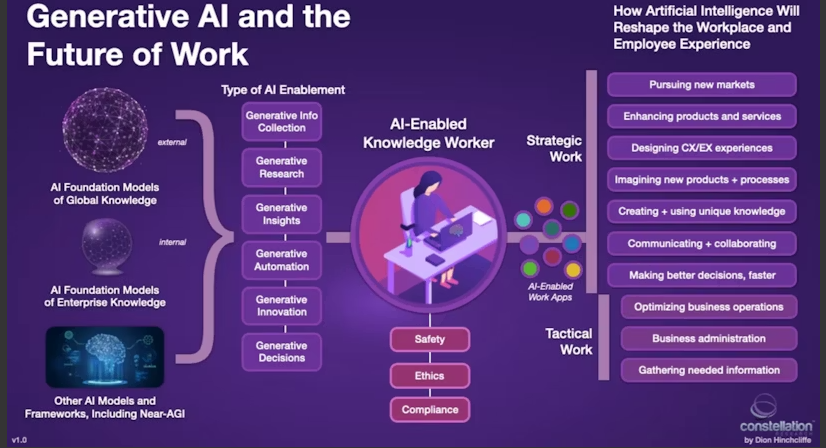
AI systems continue to evolve, but clear communication will remain essential.
Future prompt engineering may include:
- Multi-step AI workflows
- Voice-based prompting
- Image and video prompts
- Personalized AI assistants
- Industry-specific prompt templates
People who learn prompt engineering today will be better prepared to work with future AI technologies.
Final Thoughts
Prompt engineering is one of the most valuable AI skills you can learn.
By writing clear, detailed, and structured prompts, you can improve the quality of AI-generated responses across writing, coding, marketing, education, and business tasks.
Whether you’re a beginner or an experienced AI user, investing time in prompt engineering will help you work faster, make better decisions, and unlock the full potential of AI in 2026.
FAQ
What is prompt engineering?
Prompt engineering is the process of writing effective instructions that help AI generate better responses.
Why is prompt engineering important?
Good prompts improve response accuracy, relevance, creativity, and efficiency.
Do I need programming skills to learn prompt engineering?
No. Anyone can learn prompt engineering without coding experience.
Which AI tools use prompt engineering?
Most modern AI platforms, including ChatGPT, Claude, Gemini, Microsoft Copilot, and Perplexity AI, benefit from well-written prompts.